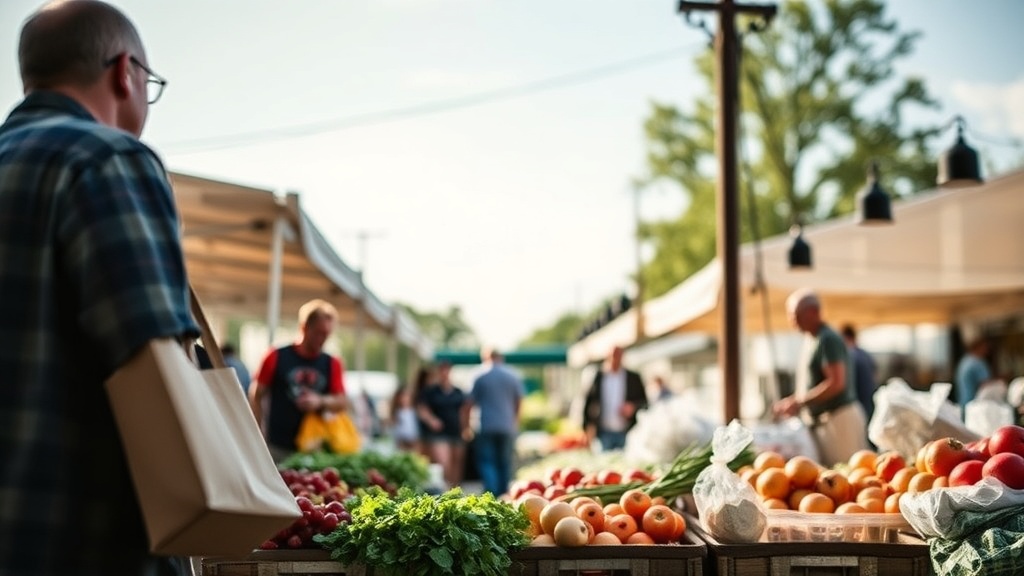
Finding the Perfect Weekend Farmer's Market Haul

A shopper stands before a bin of heirloom tomatoes, looking at a bruised fruit and a perfectly ripe one, wondering if it's worth the price. They want the best produce, but they don't want to get stuck with a bag of wilted greens by Tuesday. This guide helps you master the art of the weekend market run so you get the freshest Ontario produce, the best seasonal deals, and avoid the common mistakes that lead to wasted money.
Shopping at a local market in Ontario isn't just about picking up a carton of strawberries. It’s a skill. If you go in without a plan, you'll likely end up with way too much of one thing and nothing for your actual dinner. We're looking at how to pick the best produce, how to handle the logistics of a local market, and how to make sure your kitchen stays stocked with high-quality, seasonal goods.
What Should You Look for in Seasonal Produce?
The best way to ensure quality is to look for produce that is currently in its peak season for the Ontario climate. When you're standing at a stall, don't just grab the first thing you see. Look for vibrancy and weight. For example, if you're buying berries, they should be firm and uniform in color. If you see white or green patches on a strawberry, it's not ready and it won't ripen well on your counter.
When it comes to leafy greens, check the stems. They should be crisp, not limp or slimy. If you're buying root vegetables like carrots or beets, look for skin that is tight and smooth. Wrinkled skin usually means the vegetable has lost its moisture and won't have that satisfying crunch. It's a simple way to tell if the vendor has been keeping their stock properly hydrated.
Here is a quick cheat sheet for seasonal shopping:
- Spring: Focus on ramps, asparagus, and radishes.
- Summer: Look for sweet corn, heirloom tomatoes, and stone fruits like peaches.
- Fall: This is the time for hearty squash, apples, and root vegetables.
- Winter: Lean on storage crops like potatoes, onions, and hardy greens.
Always remember that local farming follows the agricultural cycles of Ontario. You can't force a watermelon in April, so don't bother looking for it. Stick to what the Earth is actually doing right now.
How Do You Shop Like a Pro at a Farmer's Market?
The secret to a successful market run is arriving early and bringing the right gear. Most successful shoppers arrive within the first hour of the market opening. This is when the selection is at its absolute peak and the most desirable items haven't been picked over by the crowds. If you wait until the final hour, you might find the best stuff is gone or the produce has been sitting in the sun too long.
Bring your own reusable bags and perhaps a small cooler bag. Even if it's a mild Ontario morning, those berries can wilt quickly in a warm car. If you're planning to buy dairy or eggs, a way to keep them cool is a smart move. You don't want your local organic eggs getting too warm on the drive home.
Pro-tips for the market aisles:
- Bring cash: While many vendors now take card, some smaller local farms might still be cash-only or have high minimums for digital payments.
- Check the bottom of the bin: Don't just look at the top layer. Gently lift a few items to ensure there isn't a crushed layer hiding underneath.
- Ask the vendor questions: They know more than the grocery store clerks. Ask how to store a specific herb or how long a certain melon will last on the counter.
If you're looking for a caffeine boost before you hit the stalls, you might want to check out the best coffee shops in our area to fuel up first. It makes the whole experience a lot more enjoyable when you're not running on empty.
Is Buying Local Actually Worth the Price?
Yes, buying local is worth it because you are paying for quality, freshness, and a direct connection to the producer. While a grocery store might have a lower price point for certain items, the "travel time" for that food is often thousands of kilometers. A local farmer's market item was likely in the ground just a few days ago.
When you buy from a local vendor, you're investing in the regional economy. This is a big deal for small towns across Ontario. You're supporting the person who grows your food, rather than a massive corporation. The flavor profile of a tomato grown in local soil is fundamentally different from one grown in a greenhouse halfway across the world. It's a matter of taste—and science.
| Feature | Local Farmer's Market | Standard Supermarket |
|---|---|---|
| Freshness | Picked within days or even hours. | Often traveled long distances. |
| Variety | Unique heirloom varieties. | Standardized, uniform produce. |
| Community | Direct interaction with growers. | Anonymous transactions. |
| Sustainability | Low food miles/carbon footprint. | High transport requirements. |
That said, don't expect the same level of uniformity you see in a supermarket. A "perfect" apple at a market might have a slight bump or a different shape. In the world of organic, local farming, that's actually a sign of authenticity. It's not a defect; it's just how nature grows things.
If you want to see the actual standards for food safety in our province, you can check the Ontario food safety guidelines. Knowing these standards helps you feel more confident in the quality of what you're buying.
One thing to keep in mind is that prices can fluctuate based on the weather. A heavy frost in Northern Ontario can drive up the price of certain greens or berries. It's part of the deal when you're shopping seasonally. You're participating in a real-time ecosystem, not a static supply chain.
Before you head out this weekend, make a list. I know, it sounds tedious, but it prevents "impulse vegetable buying." We've all been there—you buy three bunches of kale because they looked pretty, and then they die in the crisper drawer. A list keeps you focused on what you actually need for your weekly meals.
If you find yourself with a surplus of herbs or greens, don't let them go to waste. There are plenty of ways to preserve them, like pickling or freezing, which is a great way to extend that summer flavor into the winter months.
Steps
- 1
Arrive Early for the Best Selection
- 2
Bring Reusable Bags and Cash
- 3
Check for Seasonal Signage
- 4
Talk to the Producers