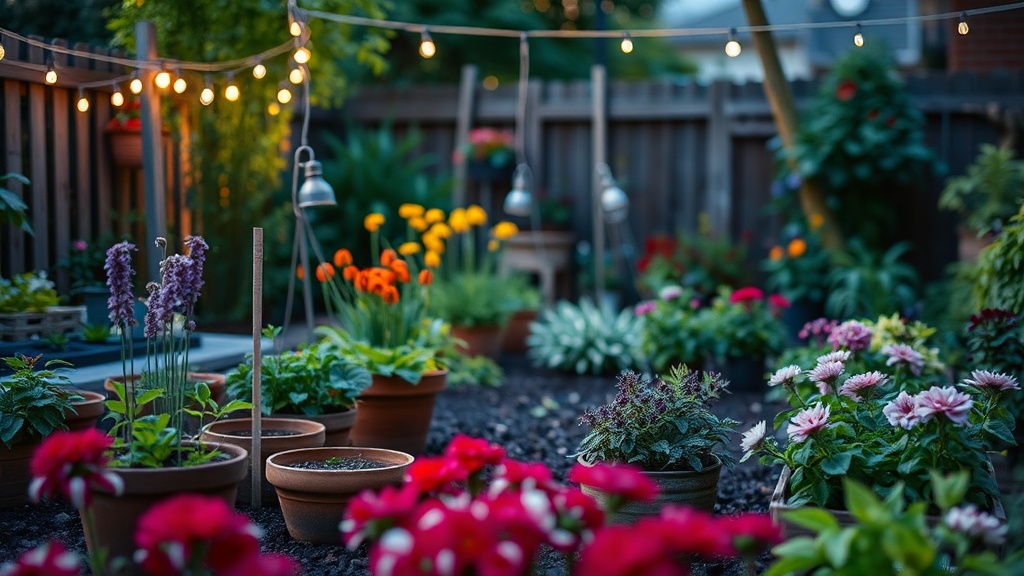
Planning a Successful Backyard Garden in the Ottawa Valley

The average frost date in the Ottawa Valley can swing by as much as two weeks depending on whether you're in a valley or on a ridge. This variability is the single biggest factor in whether your backyard garden thrives or fails. This guide breaks down the specific steps for planning a garden in our corner of Ontario, focusing on soil prep, timing, and choosing the right crops for our unique climate. You'll find practical advice on everything from soil testing to selecting seeds that can actually handle our unpredictable spring weather.
What is the Best Time to Start Planting in the Ottawa Valley?
The best time to start planting depends entirely on whether you are starting seeds indoors or transplanting seedlings directly into the ground. For most of us in the Deep River area, the "safe" date for frost-sensitive plants like tomatoes or peppers is usually after the Victoria Day long weekend in late May.
If you're starting seeds indoors, you'll want to get your trays started in late March or early April. Using a heat mat can help mimic the warmth of a greenhouse. Don't rush it. If you put your seedlings outside too early, the sudden dip in temperature will stunt their growth—or kill them entirely.
Here's the thing: the Ottawa Valley has a very short growing season compared to Southern Ontario. You have to make every day count. Use the Canadian Woodland resources or local gardening groups to track when the local microclimates are warming up. Sometimes a sunny spot near your house will be ready much sooner than a corner of the yard near the trees.
Typical Planting Timeline:
- Late March: Start seeds for peppers, eggplant, and celery indoors.
- Mid-April: Plant hardy greens like kale, spinach, and peas.
- Late May (Post-Victoria Day): Transplant tomatoes, cucumbers, and basil.
- June/July: High summer maintenance—watering and weeding.
How Much Does a Backyard Garden Cost to Set Up?
A basic backyard garden setup typically costs between $200 and $500 for the initial investment in soil, seeds, and basic tools. The cost varies based on whether you're building raised beds or planting directly in the ground.
If you're on a budget, skip the fancy raised beds and start with a traditional in-ground garden. You'll save a significant amount of money on lumber and hardware. You can spend that extra cash on high-quality organic compost or a good set of gardening tools instead.
I've seen people spend hundreds on designer ceramic pots only to have a local deer eat everything in sight. It's better to invest in a sturdy bird net or a small fence early on. A good quality shovel and a garden rake are the only "must-have" tools. You don't need a shed full of gadgets to grow a decent tomato.
| Item | Estimated Cost (Low) | Estimated Cost (High) |
|---|---|---|
| Soil & Compost | $50 | $150 |
| Seeds/Seedlings | $30 | $100 |
| Basic Tools | $40 | $120 |
| Fertilizer/Mulch | $20 | $60 |
Worth noting: check local community groups or even Facebook Marketplace before buying new. People often give away half-used bags of fertilizer or extra seed packets for free. It's a great way to get started without breaking the bank.
Which Crops Grow Best in Our Local Climate?
Hardy vegetables like kale, potatoes, carrots, and peas are the most reliable crops for the Ottawa Valley climate. These varieties can handle the cooler nights we often experience even in mid-summer.
If you want to grow "fussy" plants like peppers or melons, you'll need to be strategic. You might want to look into "bush" varieties of vegetables, as they often mature faster. This is a huge advantage when you're racing against the first frost in September.
I've found that even with the best intentions, some things just don't work here. For instance, certain types of heirloom tomatoes might struggle if the summer stays particularly cloudy. If you want a win, stick to the classics. Potatoes and garlic are particularly easy to grow in our soil types—just make sure you're using a good quality organic fertilizer to give them a head start.
If you're looking for inspiration for what to do with your harvest, finding the perfect weekend farmer's market haul can give you ideas for recipes and seasonal eating. It's a great way to see what's actually thriving in our region.
Managing Soil Quality
Our soil in the Deep River area can be quite varied—sometimes it's heavy clay, and other times it's very sandy. You can't just dig a hole and expect a miracle. You need to feed the ground before the ground feeds you.
I highly recommend getting a soil test kit. You can find them at most hardware stores. It's a small investment that tells you exactly what your soil is missing. If your soil is too acidic, you might need to add lime. If it's too alkaline, you'll need something else entirely. It's not a guessing game—it's science.
Adding compost is the best way to improve any soil type. It helps clay drain better and helps sandy soil hold onto moisture. It's a long-term game. The more organic matter you add now, the better your garden will be three years from now.
Dealing with Local Pests and Weather
The weather in the Ottawa Valley is a bit of a wildcard. One day it's a heatwave, and the next, we're seeing a random cold snap. This can stress your plants out. To prevent this, use mulch. A thick layer of straw or wood chips around your plants helps regulate soil temperature and keeps moisture in the ground.
Pests are also a constant battle. Deer and rabbits are quite active around the Deep River area. If you're growing leafy greens, you'll likely need a physical barrier. A simple mesh fence or even some netting can make a massive difference. I've seen entire vegetable patches wiped out in a single night because someone forgot to secure their perimeter.
Also, keep an eye on the local weather reports. If a heavy frost is predicted in late May, be ready to cover your young plants with a bucket or a piece of burlap. It's a small effort that can save your entire season's worth of work.
Don't get discouraged if a plant dies. It's part of the process. Even the most experienced gardeners have a season where everything seems to go wrong. The trick is to observe, learn, and try again next year. Your backyard is a living laboratory, and every mistake is just data for your next attempt.
Steps
- 1
Test Your Soil Quality
- 2
Select Native Plant Varieties
- 3
Establish a Watering Schedule